

A life map is a snapshot of how you are doing today, in every area, on a single page. It is a calm way to stop, look around and decide where to go next.
A life map takes the wheel of life (also called the circle of life) one step further. Instead of one score per area, you open each area into its own sub-wheel and get a full picture of how you feel today. It is the first step of the Autocoaching method for finding out how happy you are right now, and it is especially useful in uncertain times, when regulations keep growing, such as Mexico’s NOM-035 on psychosocial risk factors at work.
Dare to take a snapshot of your happiness, as if it were a map of your life? The life map is a tool developed in the book Autocoaching para Despertar. It is good to check in with yourself every so often, and this is the way to do it: stop complaining and see which areas of your life need attention.
How to make a life map
At a glance, a life map shows the state of your health, love, friendships, work and more. That is the first step towards more happiness, and it helps to back it up with a professional (a psychologist, coach, mentor or consultant). Together with other tools such as the wheel of life, a personal SWOT analysis, 360-degree feedback or simply someone who listens, it is an ideal start for exploring your own happiness.
To build your map, first complete every sub-wheel. You will then see your current life next to your ideal one.
- The love wheel
- The home wheel
- The health wheel
- The professional development wheel
- The leisure wheel
- The family and friends wheel
- The money wheel
- The personal growth wheel
- How to use your life map
The love wheel
Start with the love wheel. Ask yourself how well you are able to love, because love is not only about asking, it is also about giving. Then score how happy you are with the number of relationships you have. Nobody judges whether you have one partner or several: what counts is what makes you feel good. Check whether their length and frequency are what you want, and remember they rest on communication, living together and fidelity, plus emotional connection (romantic passion) and physical connection (sexual passion).
| Area | Questions to score it |
| Ability to love | Do I really give myself in love and know what I can offer a partner? Am I satisfied with how I handle relationships? Do I give all I have, or do I still carry baggage from previous partners? |
| Number of relationships | Am I happy with the number of romantic relationships I have? Would I like others as well? |
| Length | Am I happy with how long my relationships last? Do I do things to keep my partner and give the relationship stability? |
| Communication | Am I satisfied with how we communicate and live together? Do we understand each other? |
| Living together | Are we compatible under the same roof? Are household tasks shared in a way that works? |
| Fidelity | Do I feel there is fidelity in my relationships? Does my partner show trust, and do I feel I am not being cheated on? |
| Sexual passion | Am I happy with the quality and frequency of sex? Am I physically attracted to my partner? |
| Emotional passion | Do I feel truly loved? Do I value my partner’s mental and emotional side? |
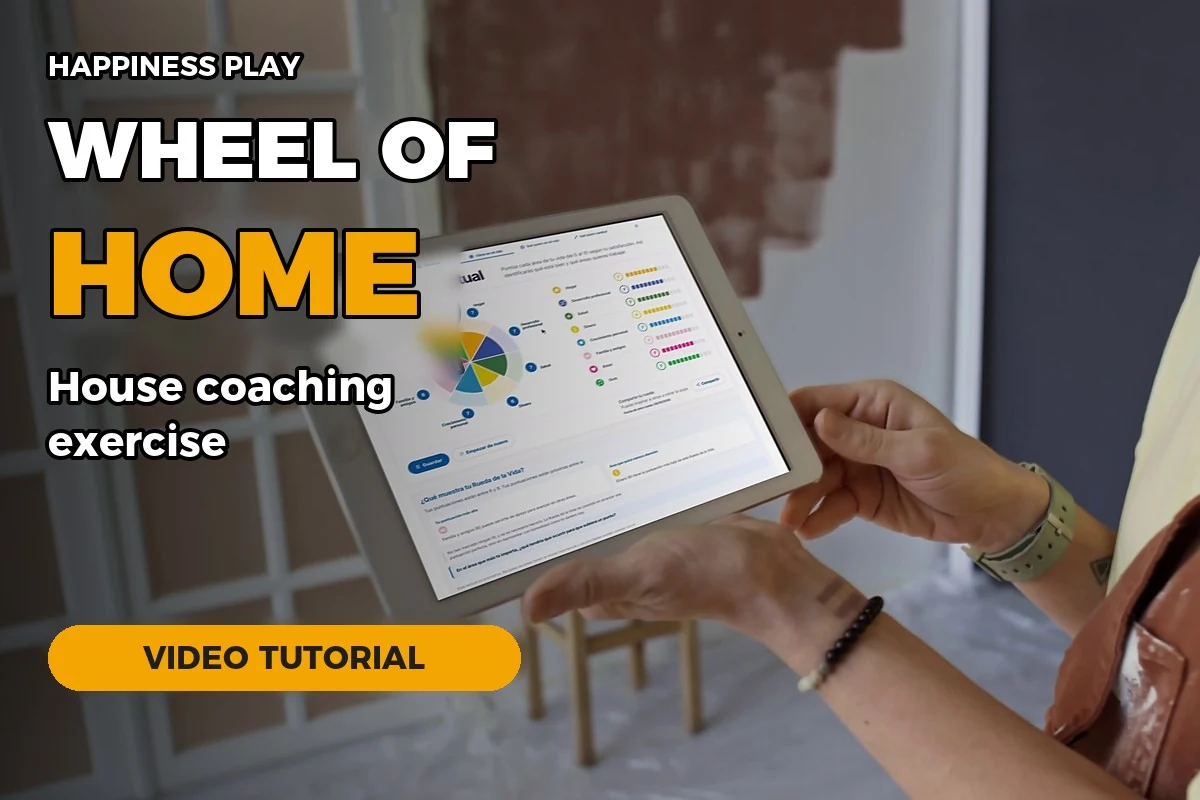
The home wheel, or your living environment
This piece of the life map looks at where you live. Think from the biggest to the smallest: the country you live in, your city, your neighbourhood and its services, and finally your home, where you rest most days. At home, score how satisfied you are with the people you live with and how committed you are to looking after the place.
| Area | Questions to score it |
| Country | Am I happy in the country where I live? Am I comfortable with its politics and its social and cultural environment? |
| City or town | Do I feel good in the place I live? Am I happy with the services it offers? |
| Neighbourhood | How satisfied am I with my neighbourhood? Do I like my neighbours? Are the services I need close by? Do I feel safe? |
| Home | Does my house satisfy me? Does it have enough space and comfort? |
| Living together | How do I feel about the way we live together at home? Do I get along with the people I share space with? Am I comfortable with how many of us there are? |
| Home care | How comfortable is my home? Am I happy with how clean it is and how well I look after it? |
The health wheel
In the health wheel you look at physical and mental hygiene (social hygiene belongs to other wheels). From both angles, score your current state, the habits you keep to prevent problems and what you do when you feel unwell. So rate your mood and the healthy mental habits that protect you, then your physical condition, your healthy physical habits and the care you take when you are ill.
| Area | Questions to score it |
| Mood | Do I have any condition that affects my psychological state? (If not, give a high score.) Do I feel well in spirit? |
| Healthy mental habits | Do I look after my mental health and do things that keep tension, nerves and stress away? Do I avoid habits that harm me? |
| Self-care | When I feel low, do I take steps to recover properly and quickly? Do I rest enough until I am back to normal? |
| Physical state | Do I have any illness that affects my body? (If not, give a high score.) Do I feel good about my appearance? |
| Healthy physical habits | Are my hygiene, rest, diet, exercise and other forms of care right for me? |
| Recovery | When I lose my well-being, do I take the measures that bring it back? Do I take enough sick leave to recover? |
The professional development wheel
The professional wheel (work or career wheel) measures how well you work and how you feel about your role in the company, or in your own business. It also scores the relationships you have built: colleagues, people you manage and bosses. Work should come with intangible recognition and tangible pay. If you have no boss, colleagues or team, ask yourself whether you actually miss them, and give a low score if you do.
| Area | Questions to score it |
| Work capacity | Am I happy with my performance at work? Do I really want to do what I do? Do I help my company get the most out of my abilities? |
| Job | Am I satisfied with my duties? Do my working hours fit my needs? |
| Company | Do I feel at ease in my company? |
| Boss | Am I satisfied with my boss (or with my own role as a boss)? Is power exercised well? |
| Colleagues | How do I feel about my colleagues? Do we work well as a team? |
| People I manage | Am I satisfied with the work of my team? Do they help build a good team? Do I treat them well? |
| Recognition | Do I feel recognised at work? Is what I do valued? |
| Pay | Am I happy with the income and other benefits my work brings me? |
The leisure wheel
Are you enjoying your free time? This is the piece of the map that should bring you the most fun. In the leisure wheel, score how much free time you have today, how well you use it and how much fun it gives you. Then score the type of leisure: receptive, active or shared with other people.
| Area | Questions to score it |
| Free time | Do I have enough leisure time? Should I have more? |
| Making the most of it | Do I make good use of the time I have? Do I really take advantage of my leisure? |
| Fun | Do I have enough fun in my spare time? Am I bored and not enjoying it? Remember that tastes differ greatly from person to person. |
| Receptive | How do I rate activities such as reading, music, cinema, TV, shows, looking at photos or studying? |
| Active | Am I happy playing a sport, enjoying a hobby such as model aircraft or playing video games? |
| Shared | How do I rate leisure with other people, such as meeting friends or family, or team games and sports? Am I happy with the social relationships my leisure brings? |
The family and friends wheel
In the family and friends wheel, score your ability to form new relationships and the affection you share with your mother, father, children and close relatives. When you score children, relatives or friends, a low score means you want them and do not have them, or you have them and do not enjoy them. If you have lost a relative, simply score how you feel about the relationship you had. A life map also looks at your closest friends, regular acquaintances and the people in your circle you greet.
| Area | Questions to score it |
| Ability to connect | Am I happy with my ability to make new friends and keep family bonds? Do I communicate well with people? |
| Mother | Am I satisfied with my relationship with my mother? |
| Father | Am I satisfied with my relationship with my father? |
| Children | Am I satisfied with my relationship with my children? If I do not have them but want them, am I happy with what I am doing to have them? |
| Close relatives | How do I feel about my siblings, grandparents, cousins, aunts and uncles? |
| Friends | Am I happy with my friends? Are they there when I need them? Do they support me enough? By friends we mean the ones who always come back and who you never need to worry about. |
| Acquaintances | Am I comfortable with the acquaintances I have? Do I have many? |
| People I greet | Am I comfortable with the people I greet every day? Should I have more people around me? |
The money wheel
A map of your life cannot leave out money. In the money wheel you start from your possessions, however few, and the guarantees that give you some security. Your work or property brings in current income and lets you foresee future income. Every day you have expenses, fixed or variable, and you can plan future ones. You may also have debts, or savings from the past.
| Area | Questions to score it |
| Possessions | How do I feel about what I own? Does it really satisfy me? |
| Guarantees | Do I have financial backing? Do I feel secure enough? |
| Income | Am I happy with my income today? Is it enough for the standard of living I need? |
| Future income | Am I happy with the income I will have in the future? Do my prospects look promising? |
| Expenses | How do I feel about my spending? Do I spend above my means? |
| Future expenses | Do I foresee many expenses ahead? Will I be able to cover them? |
| Debts | Am I happy with my level of debt? Do my financial commitments overwhelm me? |
| Savings | Do I put money aside for hard times? Am I happy with my savings? |
The personal growth wheel
The last sub-wheel of the map is the personal growth wheel, which looks at the most personal and spiritual side of your happiness. Begin by scoring what you feel you give to society, to your faith and to yourself. See whether you are happy with your current projects, how you could help, for example in a year-end charity drive, and think about the projects you will take on in future. Spirituality deserves its own score, because it gives meaning to life. Also rate the effort you put into yourself and the talent you have, made up of attitudes, skills and knowledge. A good complement to this wheel is a values exercise.
| Area | Questions to score it |
| Contribution to society | Do I feel useful to society? Am I satisfied with what I give to society, to my faith and to myself? |
| Current projects | Am I comfortable with the personal growth plans I am working on? Does my life make sense with what I do now? |
| Future projects | How promising are my future projects? Am I happy with my prospects for growth? |
| Spirituality | Do I feel good about my spirituality? Do I cultivate it enough? |
| Effort and self-esteem | How would I rate my self-esteem? Do I put enough effort into what I do? Am I going through a time when I feel my life is worth nothing? |
| Attitudes | Am I happy with my attitude to life? Do I frame what happens to me well? |
| Skills | Do I have the skills to do everything I set out to do? |
| Knowledge | Should I study new things to keep growing? Are you thinking about studying coaching? |
How to use your life map
Your life map gathers all the wheels you have completed. Place the central wheel of life in the middle of a sheet and add the sub-wheels around it, clockwise. It helps to put first the personal areas that need little contact with others, such as health, personal growth and your living environment. Then come your relationships with the world: family and friends, love and leisure. Finally, add professional development and money.
Reading your life map
A life map is a first full snapshot of your life. Like any map, it gives you a first clue about where to head and shows that people can change. Check that the central wheel of life agrees with the sub-wheels, because you may have to rethink a score. The sub-wheels also point to the areas that need work first, and remember that your high scores should give you the motivation to lift the low ones. It is the map of your life, and it will help you find where to start on the road to being happier.
The first level of the wheel (health, leisure, family and so on) is easy for everyone to score. The second level may not be. Some people have no children, no boss or live alone. In those cases, the answer is how they feel about that situation. If someone has no children and would like some, their score is probably low because it hurts. If they do not want children and have none, the score is high because their life matches what they want.
Your ideal life
Remember that every score is a snapshot of one moment. What matters is how the maps evolve over time, not whether a single map is good or bad. You can combine it with other personal and professional growth methods or coaching questions. We recommend making your life map every four or five weeks and even sharing it with friends, who often comment on the lowest-scoring areas and bring a smile, making your problems feel a little smaller.
If you want to make your life map, start with your wheel of life
Life map: frequently asked questions
What is the difference between a life map and a wheel of life?
The wheel of life gives each area a score; the life map adds conditions and changes for each area so you can plan.
How often should I update my map?
Once or twice a year is enough, or whenever something big changes. Read our overview of happiness to keep the big picture in mind.
Keep the map where you will see it, and review it with a friend or a coach if you can. Talking it through often reveals more than writing alone.
If you are just getting started, read how to start being happy. To turn the answers into a plan, use these coaching tools for managing a change. For better questions, read weak vs powerful coaching questions. To put it into practice, read how to make changes in your life.
Activities for each area of your life
Now that you have your first global snapshot, work through each area with these exercises and questions:
 Work and career
 Love and relationships
 Money and finances
 Home and living space
 Family and friends
 Health and habits
 Leisure and free time
 Personal growth

