

In recent years technology has crept into almost every corner of our lives: remote work, social networks, constant notifications. This hyperconnection has changed how we relate to wellbeing and has shifted the traditional parameters of happiness. Rejecting the digital world is not the answer. The real challenge is to find a conscious balance that connects the best of human experience with the technological age.
The good news is that a few simple habits can start redrawing your life map today. Just as a wheel of life gives you a snapshot of where you are, the five keys below help you balance your inner and outer spaces. Small, tangible things, like a handwritten note or a printed photo on the fridge, are positive anchors in a digital day. They remind us of the value of what is real and authentic.
1. Organise your reality: harmony between physical and digital space
Did you know your physical surroundings shape your emotional state? If the place where you work, rest or think is crowded with digital stimuli, your energy probably is too. In the autocoaching methodology we insist that wellbeing is not improvised, it is designed. Start by rearranging your spaces so each one has a clear purpose. Then look at the kinds of connection you have online:
| Type of connection | Emotional impact | Wellbeing suggestion |
|---|---|---|
| Passive social media | Comparison and lower self-esteem | Limit your time and pick positive content |
| Deep video calls | Emotional reinforcement | Have conversations that mean something |
| Groups with shared values | A sense of belonging | Take part actively and share from the heart |
With these small touches in mind, you will feel a greater sense of fullness this year.
2. Take short digital fasts
Every now and then, let yourself rest from technology. One of the new rules of digital wellbeing is frequent, conscious pauses. We live so connected that we forget to reconnect with ourselves. Try technology breaks of at least 30 minutes two or three times a day. Use them to walk, meditate, or simply look out of the window and breathe. These moments are anchors of presence that strengthen your emotional balance. You do not need to disconnect from the world, only to reconnect with yourself.
3. Build digital optimism
Does your feed inspire you or overwhelm you? The quality of what you consume has a direct effect on your mood. Choose accounts, news and channels that lift you: motivating quotes, people who inspire you, causes that move you. Just as you choose your friends in real life, choose your digital community with care. Make your virtual surroundings an ally of personal growth.
4. Value real, authentic experiences
True happiness is not in “likes” or endless scrolling. It is in small, tangible experiences: an honest conversation, a shared laugh, an unhurried coffee. Ask yourself how much of your day goes to genuine bonds with the people you love. Acting on your relationships strengthens the connections and makes you feel less alone.
5. Find your tribe: communities with purpose
One of the biggest sources of wellbeing is a sense of belonging, of being part of something bigger. Happiness is a personal journey, but sharing it enriches it. Join communities that share your values, online or in person, large or small. What matters is that they nurture your self-esteem and help you grow.
In the end, in a digital world, what is human is still what matters most.
A one-week balance experiment
If you would rather try than think, run this for seven days and see what changes:
- Day 1: clear one room or desk of anything you do not need.
- Days 2 to 4: take one 30-minute break from screens each day, and write down how you feel afterwards.
- Day 5: unfollow three accounts that drain you and follow one that lifts you.
- Day 6: have one conversation with no phone in sight.
- Day 7: redo your wheel of life and compare it with the one you made before.
After the break, check your balance
Take a moment to look at each area of your life:
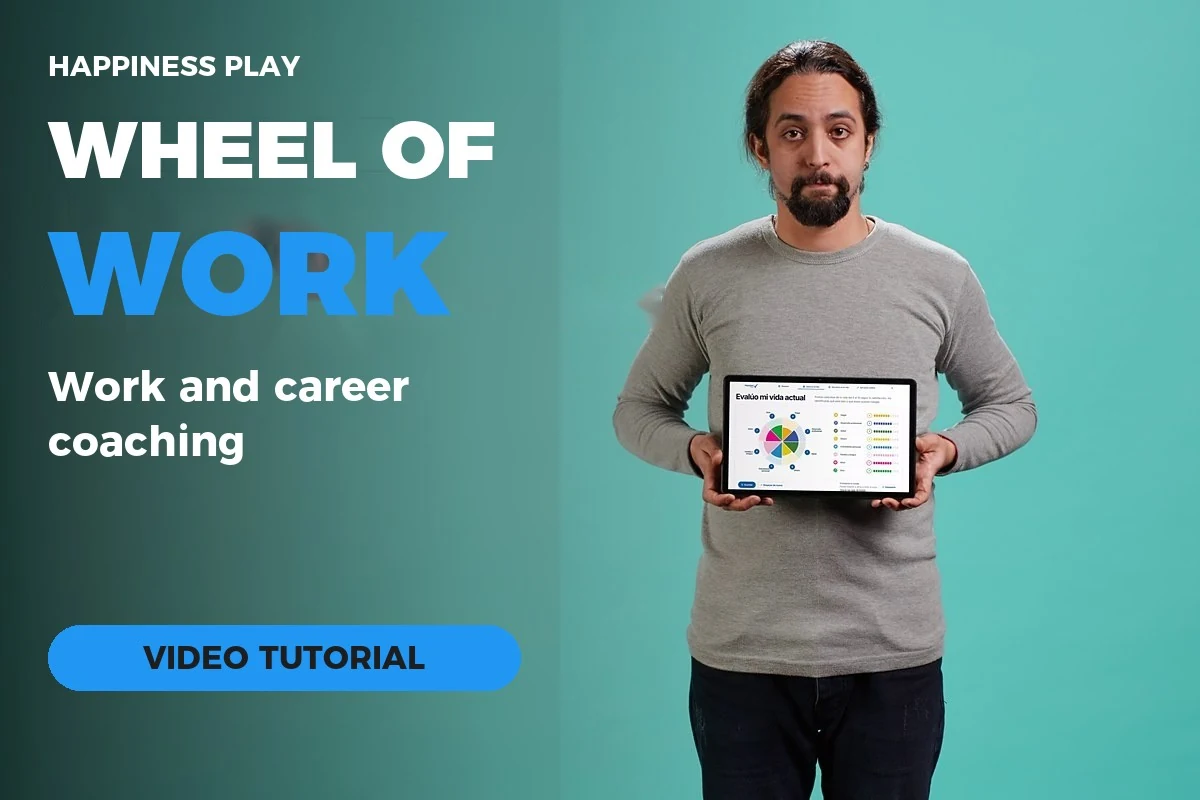 Work and career
 Love and relationships
 Money and finances
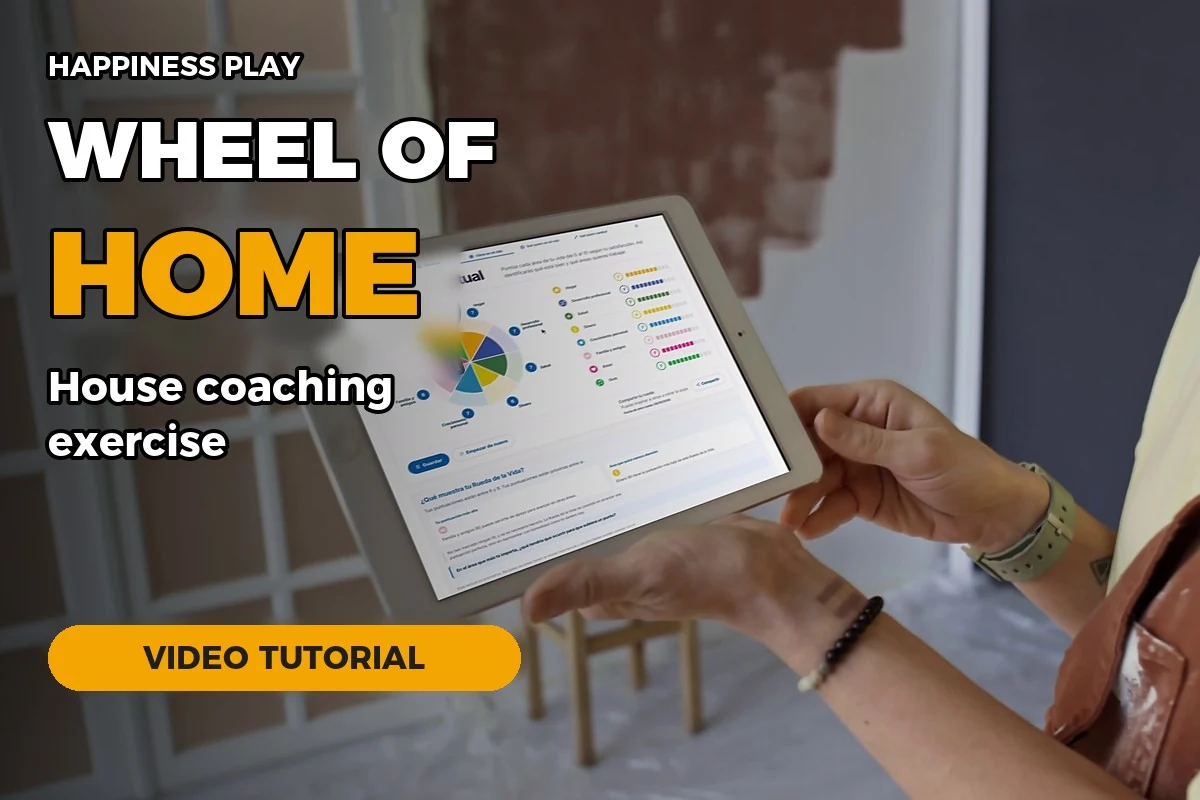 Home and living space
 Family and friends
 Health and habits
 Leisure and free time
 Personal growth

